
News
Elephant Life Stages Explained: From Calf to Herd Leader
Elephant Life Stages Explained: From Calf to Herd Leader
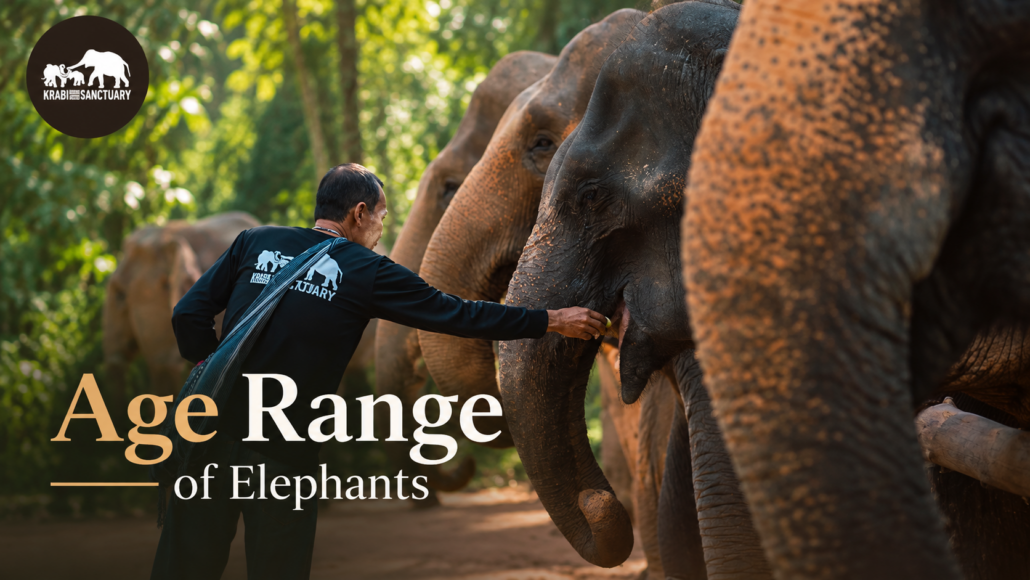
Elephants are remarkably intelligent, deeply social animals — and like humans, they go through distinct stages of growth as they move from infancy to adulthood. Researchers generally group elephants into four broad life stages, based on both age and physical development. Here’s what each stage actually looks like.
1. Calves (Under 1 Year Old)
Every elephant’s journey begins as a calf — small, vulnerable, and almost entirely dependent on its mother. During this first year of life, calves stay close to their mothers at all times, relying on them not just for milk and protection, but for the earliest lessons in how to behave and survive within the herd. This early bond lays the groundwork for everything that follows.
2. Juveniles (Ages 1–5)
As calves grow into juveniles, they start venturing a little further from their mothers, becoming noticeably more curious and adventurous. This is the stage where young elephants begin developing practical survival skills — learning how to forage for food, understanding herd dynamics, and gradually building the physical strength and coordination they’ll need later in life.
3. Sub-Adults (Ages 5–15)
This stage is often compared to adolescence in humans, and for good reason. Sub-adult elephants go through significant physical and hormonal changes that shape how they fit into the herd going forward. It’s also a period marked by more playful, social behavior — young elephants often spend this stage roughhousing and bonding with peers, which helps strengthen the social skills they’ll rely on as adults.
4. Adults (15 Years and Older)
Once elephants reach adulthood, their role within the herd shifts significantly. Adult elephants, particularly experienced matriarchs, take on leadership responsibilities — guiding the herd to water, food, and safety. Their accumulated knowledge and experience become essential to the group’s survival, making adult elephants the backbone of herd stability.
Why These Stages Matter
Understanding these life stages isn’t just interesting trivia — it plays a real role in conservation. Each stage comes with its own needs and vulnerabilities, and effective care depends on recognizing exactly where an individual elephant is in this journey, from the fragile early days of calfhood to the responsibility of adult leadership.
At Krabi Elephant Sanctuary, our herd includes elephants across every one of these life stages, and understanding each one helps us provide the right care, environment, and social structure for every individual in our care.
Meet These Elephants in Person — Krabi Elephant House Sanctuary
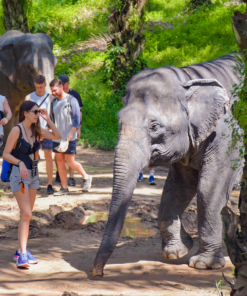
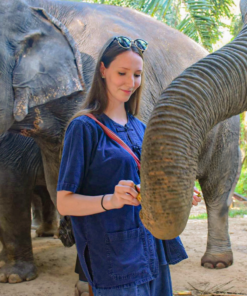
Everything you just read happens here every day. Our rescued herd roams free in the forest just 20 minutes from Krabi Town — join them for feeding, mud spa and bathing.



Hotel pick-up included · English-speaking guides · Limited group size