
News
The World’s Largest Land Animal: Elephant Anatomy Explained
The World’s Largest Land Animal: Elephant Anatomy Explained
When it comes to sheer size, nothing on land compares to an elephant. They hold the title of the largest living terrestrial animal on Earth — but interestingly, not all elephants are built the same. Depending on the species, the numbers can vary quite a bit.
How Big Do Elephants Actually Get?
African bush elephants are the giants of the group. A fully grown male typically stands around 3.20 meters tall at the shoulder and weighs roughly 6,000 kg, while females are noticeably smaller — about 2.60 meters tall and 3,000 kg on average.
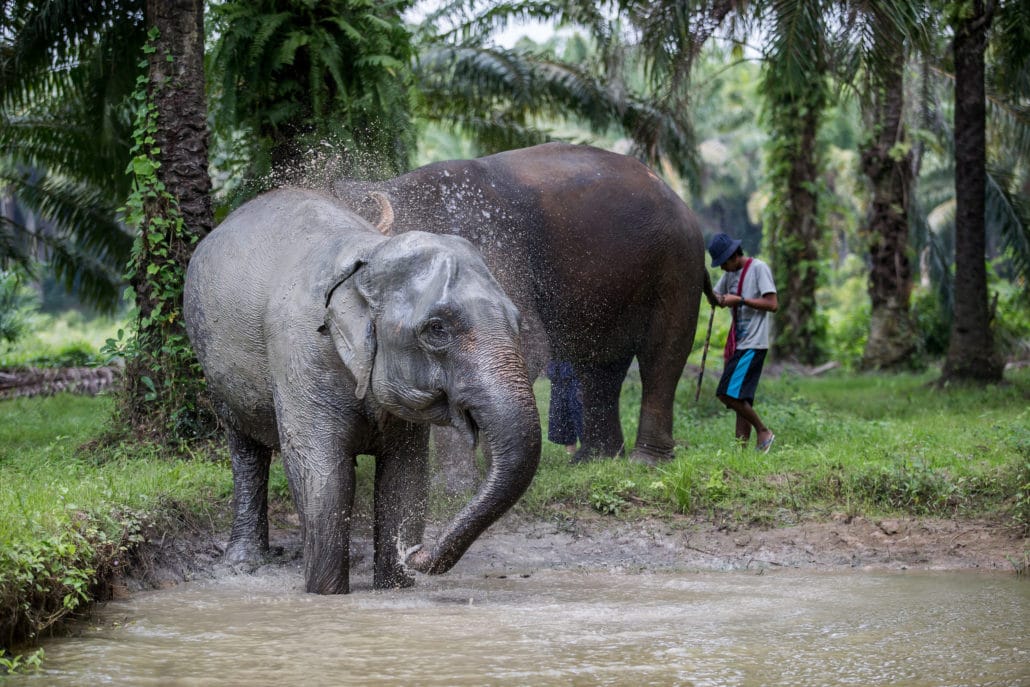
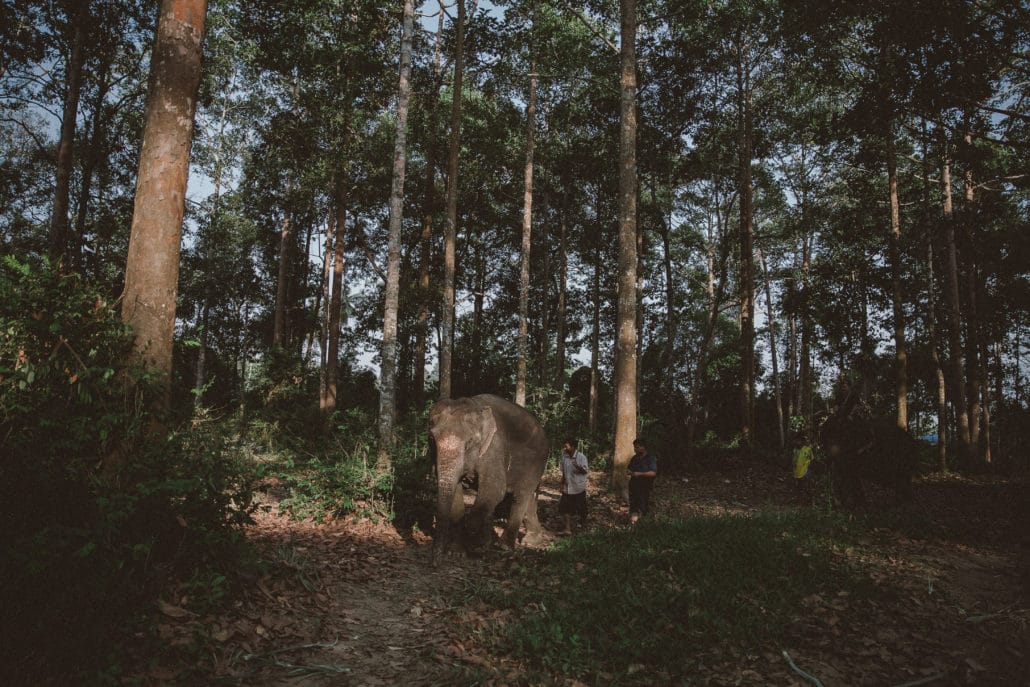
Asian elephants, the species found right here in Thailand, are somewhat smaller in comparison. Adult males average around 2.75 meters at the shoulder and 4,000 kg, while females typically reach about 2.40 meters and 2,700 kg.
The smallest of the three major groups is the African forest elephant, averaging just 2.00 meters tall and around 2,000 kg — still enormous by any other standard, but noticeably more compact than their savanna-dwelling relatives.
One interesting detail: the size gap between males and females isn’t the same across species. Male African elephants tend to stand about 23% taller than females, while male Asian elephants show a smaller gap — typically only around 15% taller.

What’s Holding It All Together: The Elephant Skeleton
Supporting all that mass is a skeleton made up of somewhere between 326 and 351 bones. The vertebrae are joined tightly together, which actually limits how flexible the elephant’s back can be — a trade-off for supporting such enormous weight.
Rib count varies by species too: African elephants typically have 21 pairs of ribs, while Asian elephants have either 19 or 20 pairs.
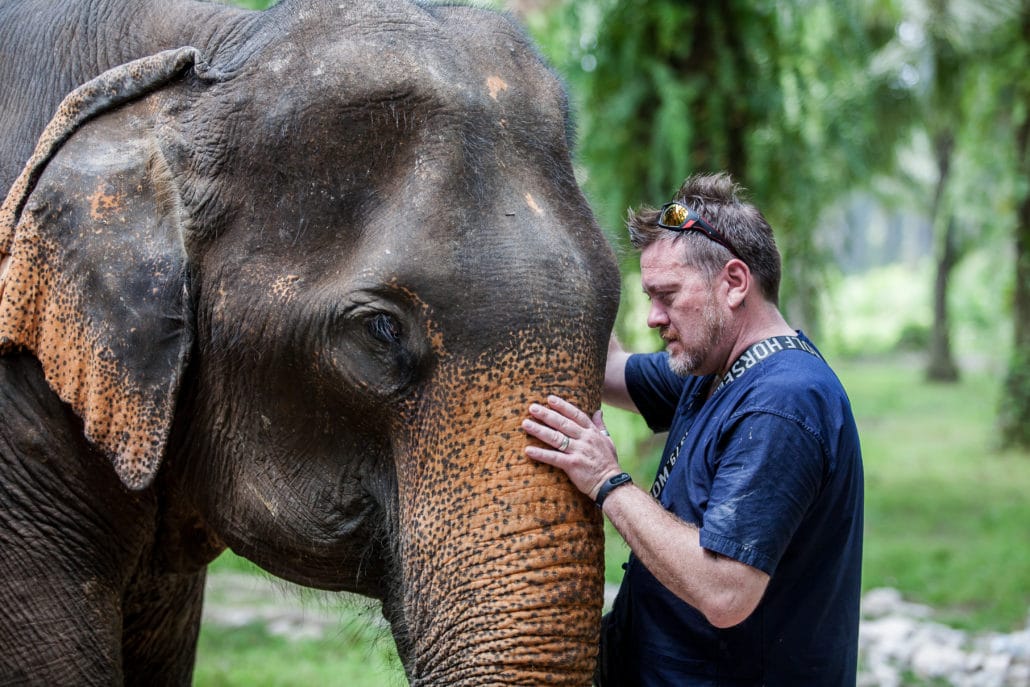
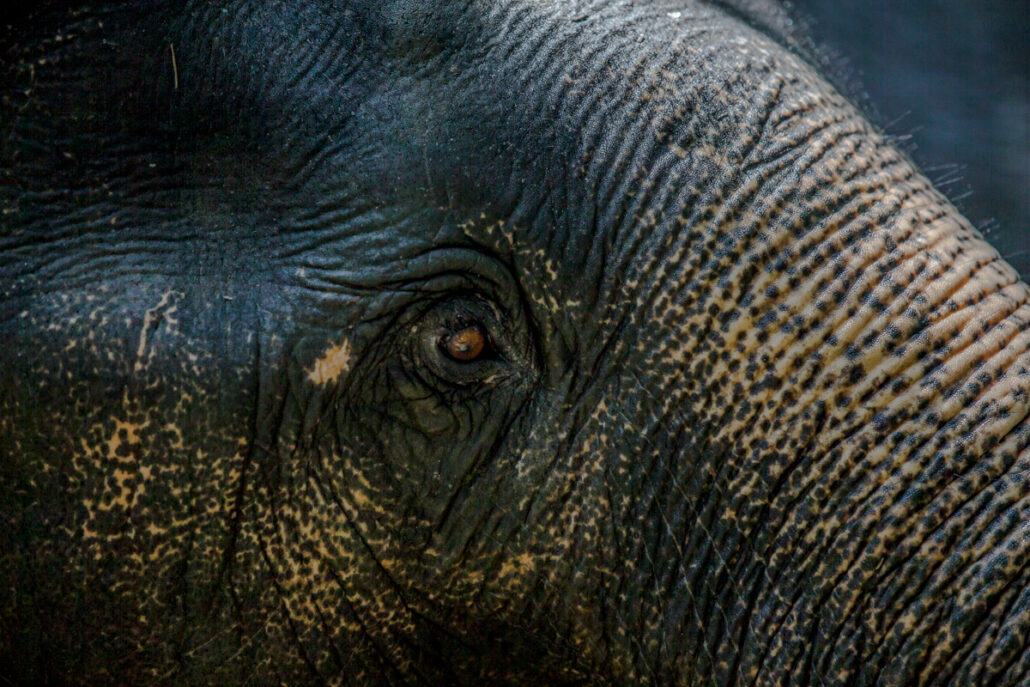
Perhaps most fascinating is the elephant’s skull. It’s built to withstand serious force — from the leverage generated by their tusks to head-to-head collisions during disputes or play. The back of the skull is broad and flattened, forming protective arches that shield the brain from every angle. And despite its strength, the skull isn’t as heavy as you’d expect — it’s structured with air-filled cavities that keep it lightweight without sacrificing durability.
At Krabi Elephant Sanctuary, every elephant in our care is an Asian elephant — and getting to stand near one, even briefly, is often the moment guests truly grasp just how massive these animals really are.
Meet These Elephants in Person — Krabi Elephant House Sanctuary
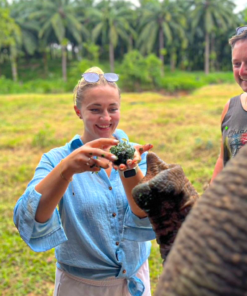
Everything you just read happens here every day. Our rescued herd roams free in the forest just 20 minutes from Krabi Town — join them for feeding, mud spa and bathing.

Hotel pick-up included · English-speaking guides · Limited group size